In this story
If you are thinking about buying a new iPhone for Siri AI, first confirm whether the features you want are actually available to you right now. Having a new enough phone is only one condition; language, region, and the specific feature also need to be checked separately.
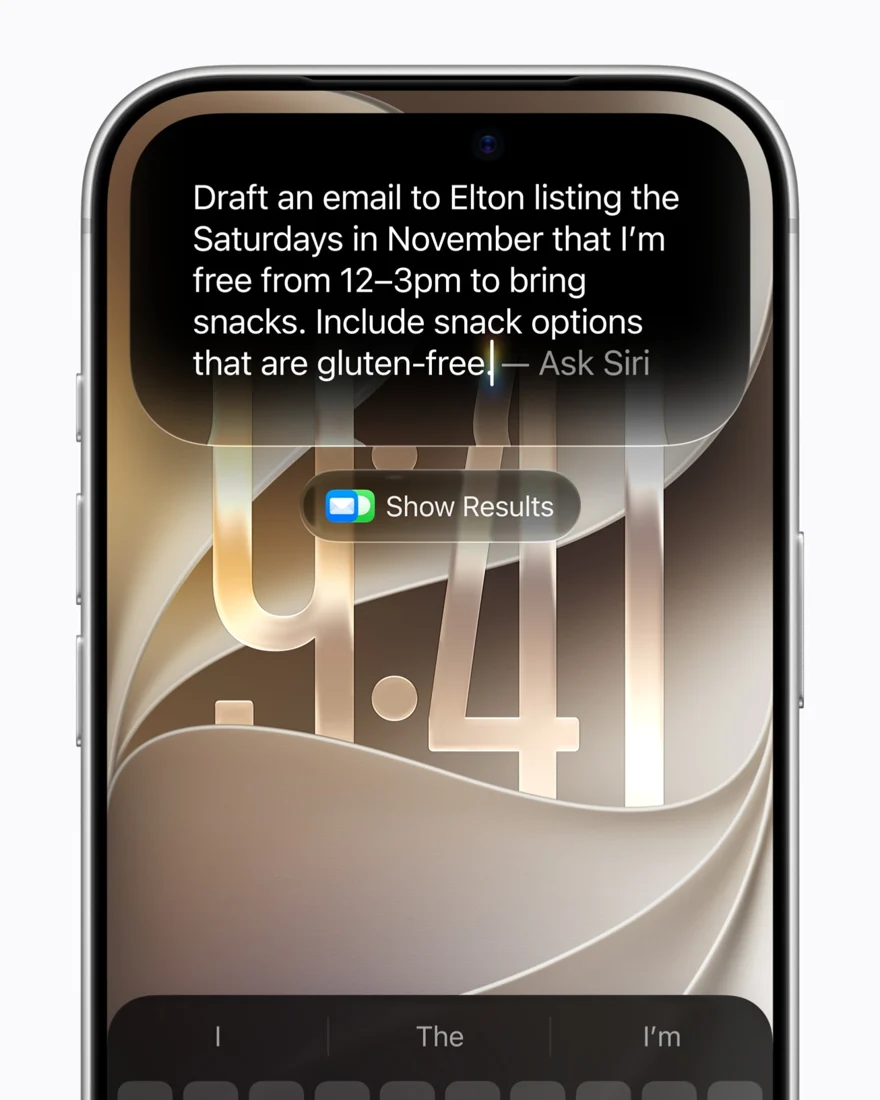
In its September 14 newsroom release, Apple describes Siri AI as a "completely reimagined version of Siri" that can understand personal context, see what is on screen, and take actions across apps [1][2]. In the demo, it finds a relative’s suggestion to bake together in Messages, then finds the cooking instructions in email, and finally adds the ingredients to Reminders [2]. If that sequence actually runs reliably, it would be considerably more useful than the Siri of the past decade.
But if you are in China and mainly use Chinese day to day, spending money on a new phone now will most likely get you a device that cannot use this feature for the time being. That is not pessimism; it is what Apple itself states plainly in the Availability section of the newsroom post.
Chinese is not on the first-release list
Siri AI began rolling out as a beta on September 14, in English only. French, Japanese, Korean, Portuguese, and Spanish are coming in October [1][2]. Chinese—simplified or traditional—is not in that October batch, and Apple has given no timeline for Chinese.
There is an easy point of confusion here. The languages Apple lists as supported for Apple Intelligence do include Simplified Chinese and Traditional Chinese [1][2], but that is the language support scope for Apple Intelligence as a whole, not the same as Siri AI already supporting Chinese. Siri AI's rollout schedule is stated separately: English beta first, expansion to five languages in October, Chinese absent. Reading "Apple Intelligence supports Chinese" as "Siri AI supports Chinese" merges two different scopes of information.
One more direct line: Siri AI and the other new Apple Intelligence features will not be available in China while Apple works through regulatory requirements [1][2]. That sentence leaves no ambiguity. The announcement does not list buying a new device or switching language as a way to lift the China region restriction, and you cannot conclude from the device support list that it is already open locally.
For people who need Chinese interaction day to day, even in a region where the feature has launched, they should first verify Siri AI's own language. A device upgrade does not mean the language and region conditions change at the same time.
The device threshold has two layers; do not read them as one
Apple wrote the support scope this time in two segments, and reading them together easily produces the wrong conclusion.
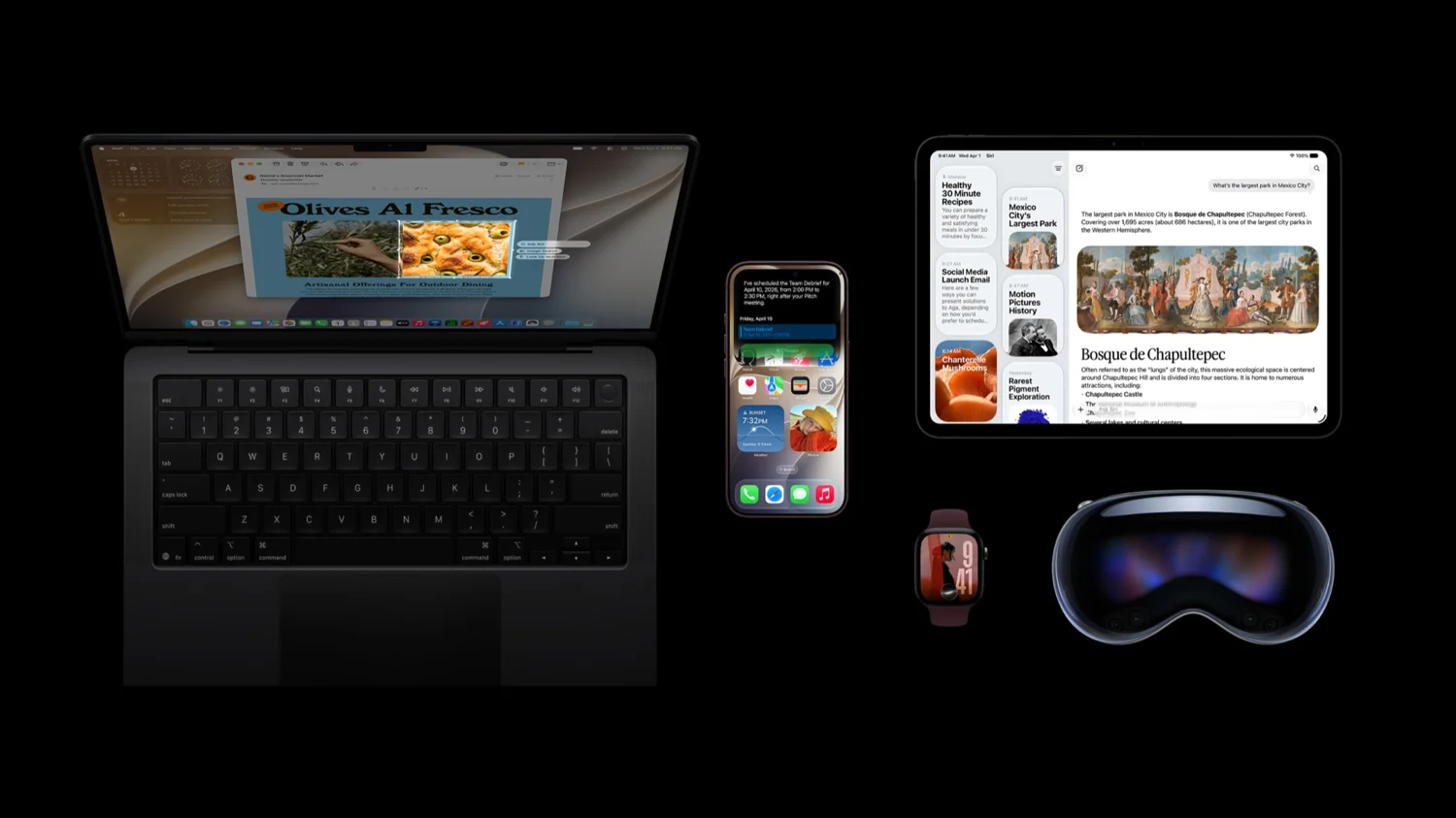
The first layer is the baseline support for Apple Intelligence and Siri AI. On iPhone it is iPhone 16 models and later, plus iPhone 15 Pro and 15 Pro Max; on iPad it is iPad mini (A17 Pro) and iPad models with M1 or later; on Mac it is Mac models with M1 or later, plus MacBook Neo (A18 Pro); also Apple Vision Pro, Apple Watch Series 9 or later, Apple Watch Ultra 2 or later, and Apple Watch SE 3 (when paired with an Apple Intelligence-enabled iPhone) [1][2].
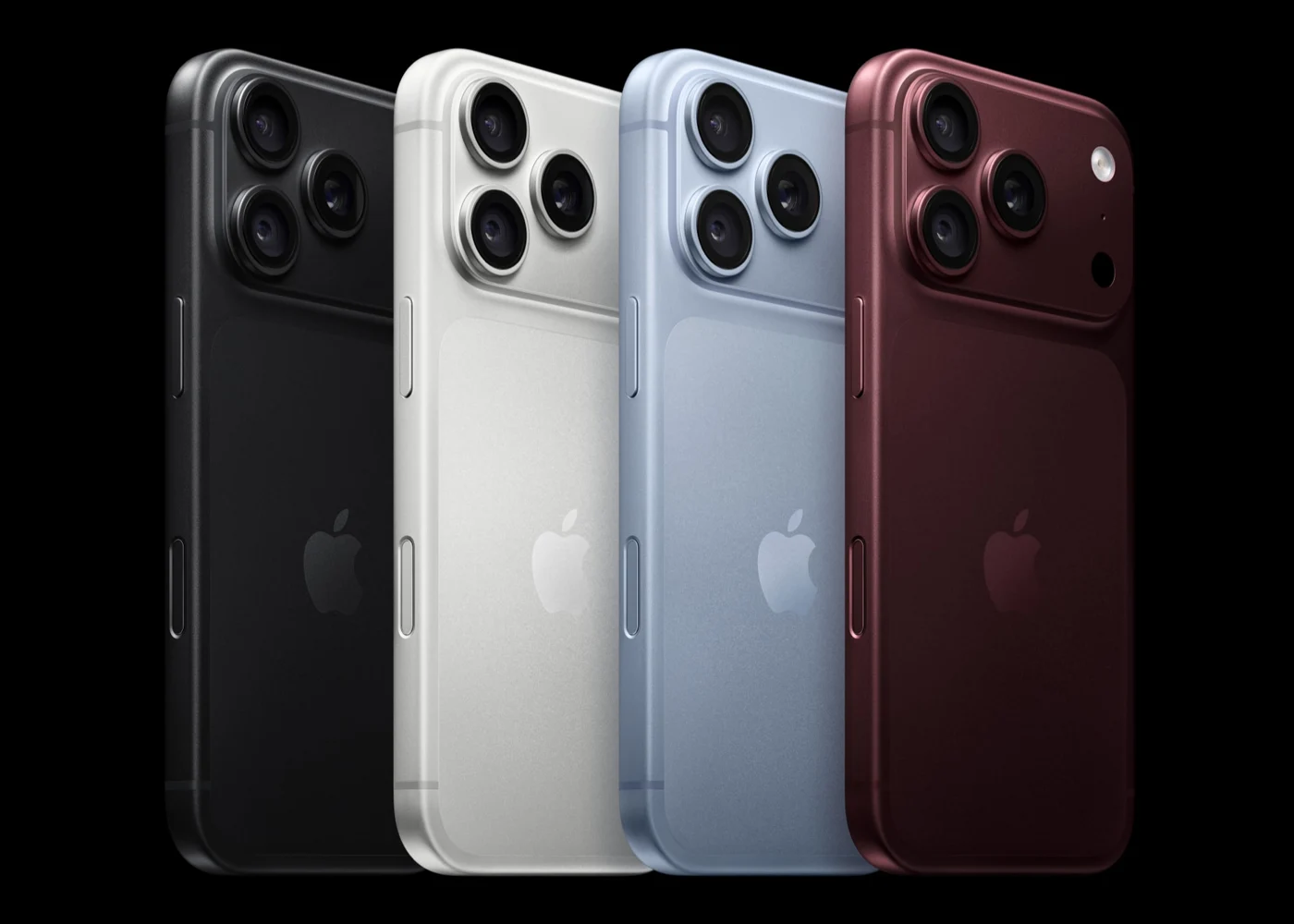
The second layer is Apple's "most advanced on-device model," AFM Core Advanced, and the features it enables, such as more expressive voices and more advanced dictation. That list is much narrower: iPhone Duo, iPhone 18 Pro, iPhone 18 Pro Max, iPhone Air, iPhone 17 Pro, iPhone 17 Pro Max, iPad (M4) or later with at least 12GB of unified memory, Mac (M3) or later with at least 12GB of unified memory, and Apple Vision Pro (M5) [2].
Note how the second layer is written. Mac is M3 or later and at least 12GB of unified memory, both conditions at once. It cannot be read as "all M3 machines have all the features"—M3 models without enough memory are not on this list. Same for iPad: M4 or later, plus a memory requirement.
Only by reading the two layers separately does the conclusion come out accurate: your M1 Mac is in the first layer and can use Apple Intelligence's baseline capabilities, but it is not in the second layer and cannot get the experience backed by AFM Core Advanced. iPhone 15 Pro is in the first layer and likewise not in the second. This is not Apple hiding anything; the two lists in the newsroom post were simply never the same.
Watch features have to wait, and come with conditions
Apple Watch gets a separately called-out class of new features this time: Audio Intelligence, including Sound Recognition, Live Rewind, Siri Recap, and faster Shazam [2].
But its availability is written more circuitously than the phone's. On hardware it requires Apple Watch Series 12 or Apple Watch Ultra 4. Live Rewind and Siri Recap will not arrive until later in 2026, in beta, and require pairing with an Apple Intelligence-enabled iPhone 16 or later (excluding iPhone 16e), starting in English only and not initially available in the EU [2]. Sound Recognition is likewise limited to Series 12 and Ultra 4 [2].
In other words, the watch line of features requires compatible Watch and iPhone hardware, the right language and region, and some of the features are not even live yet. Treating it as a reason to upgrade stretches the timeline even longer than the phone.
There will be a fee later, but do not invent the numbers
Apple notes in the availability text that some Apple Intelligence features relying on server-side models are subject to daily usage limits, including Siri AI, intelligent photo editing, Image Playground, and AFM 3 Cloud models in Shortcuts; daily limits vary by feature, request complexity, system demand, system policies, and other factors; and expanded access will be available for a fee in the future [1][2].
That sentence is worth remembering, because it means "buy the device and use it unlimited for free" is not Apple's promise. But These announcements do not specify a universal price or number of uses. These two announcements do not list a unified price or count, and you should not fill in a definite purchase condition yourself. What can be confirmed is only the direction: daily limits exist, and paid expanded access is planned for the future.
EU users also have to distinguish by device
The region note also cannot be read by stopping at the word "EU." The software update announcement makes clear that Mac and Apple Vision Pro users in the EU can access Siri AI when set to a supported language; iOS, iPadOS, and watchOS will not offer it initially in the EU, and features that rely on Siri AI are subject to corresponding limits [1][2]. The same person using a Mac and an iPhone may face different availability conditions. This is a platform-by-platform statement, not advice to change region, and it cannot be extended to mean all European countries follow the same rule.
If you already own a Mac within the supported range, checking whether it can handle the task you want to try is better grounded than buying a new iPhone outright. But a Mac being able to use a feature does not mean the same feature on iPhone is already open. The demo of continuing a conversation across devices likewise cannot skip each device's own requirements. The newsroom post says the Siri app syncs conversation history via iCloud; that describes the feature design, not a promise that any device combination will work [2].
Then write the reason to buy as one specific task. Is it to find a piece of information in email, or to handle what is on screen, or just to have a more expressive voice? The first two are core Siri AI descriptions; the latter again involves the advanced on-device model conditions. Different needs mean different lists to check. Turning "I want to try AI" into one verifiable task is what lets you judge whether your existing device is enough, or whether a specific difference is worth an upgrade.
The third-party app capabilities in the announcement also have a now-versus-later distinction. Apple mentions that texting in WhatsApp and playing a book in Audible are already supported, while describing drafting an email in Outlook and searching for a homework assignment in Notability as coming soon [2]. If your reason to buy depends on the latter category, you should first wait for the corresponding feature to actually ship and check the version, rather than treating a demonstrated app name as a current availability list.
So when is an upgrade worth considering
Putting the pieces together, for Chinese users the case for buying a new phone for Siri AI right now is thin. The feature is not offered in China, there is no timeline for Chinese, the device threshold has two layers, and the watch line waits even longer.
But not everyone should sit on their wallet. If you meet these conditions, an upgrade has a basis: you mainly use English or another already-supported language day to day; you are in a region where the feature has launched; your current device is outside the first-layer support list, for example still an iPhone 14 or earlier; and you genuinely have a clear use case—such as cross-app personal context retrieval or on-screen content understanding, things the old Siri could not do. Only when all of these hold at once is an upgrade paying for a usable feature rather than for a demo from the keynote.
For most Chinese users, the more practical move is to check the device in hand first. iPhone 15 Pro, 15 Pro Max, and iPhone 16 and later are already in the first-layer list; whether they can be used still depends on the language, region, and device conditions published later, and there is no need to switch now. Same for iPad and Mac users: M1 and later devices are already inside the circle. The people who actually need to upgrade are those whose devices are outside the list and who genuinely need these features.
The keynote demonstrates the ceiling of the features; the Availability section of the newsroom post states the floor of what you can use. The gap between the two is where the decision to spend money actually lives.
Mentioned in this story
These links lead to official or retailer pages. We currently earn no affiliate commission from them. Check the destination for regional availability, configuration and pricing.
iPhone 18 Pro View official specifications ↗