In this story
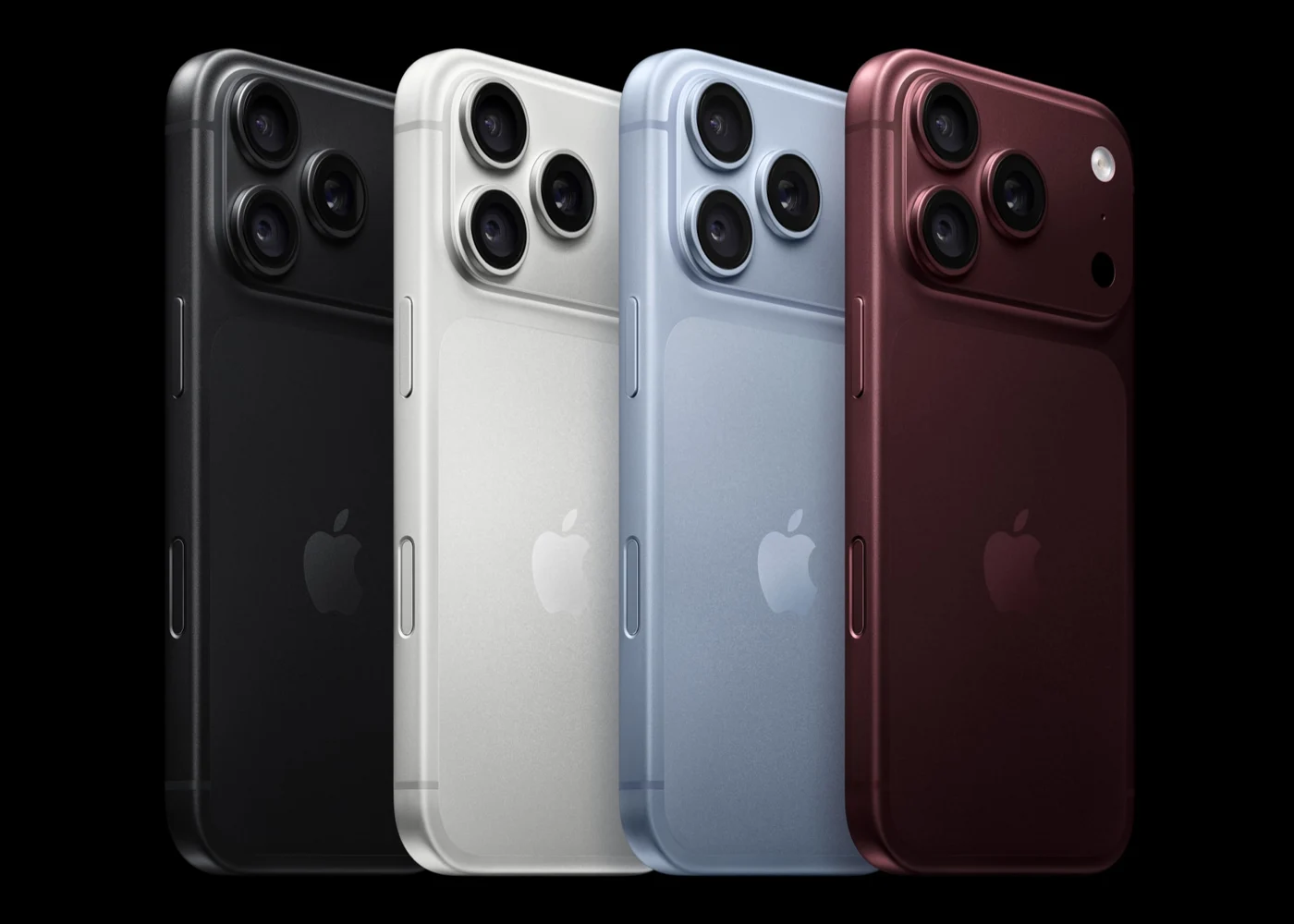
The iPhone Duo starts at $1,999 in the US, while the iPhone 18 Pro starts at $1,199. Both come with 256GB as the base storage, leaving an $800 difference. Before you rush to convert that gap into a daily coffee budget, let’s pause. Coffee is gone once you drink it. A phone goes into your pocket every single day. [1][3]
The question I’d rather ask is this: at what exact step in your current phone use do you feel the screen isn’t enough? If you can name that step, the Duo has a purchase reason worth discussing. If your answer is simply “Apple finally made a foldable,” that’s fine too. Liking new things is perfectly normal. You just don’t need to immediately assign it a job title in productivity enhancement.
This piece is based on information released and verified as of September 10. The Duo has been officially announced. Pre-orders begin at 5:00 AM Pacific Time on October 16, with sales starting October 23. The initial launch list includes China. The dollar prices cited here are US starting prices, not local retail prices in other countries. We haven’t gotten a unit for daily testing yet. [1]
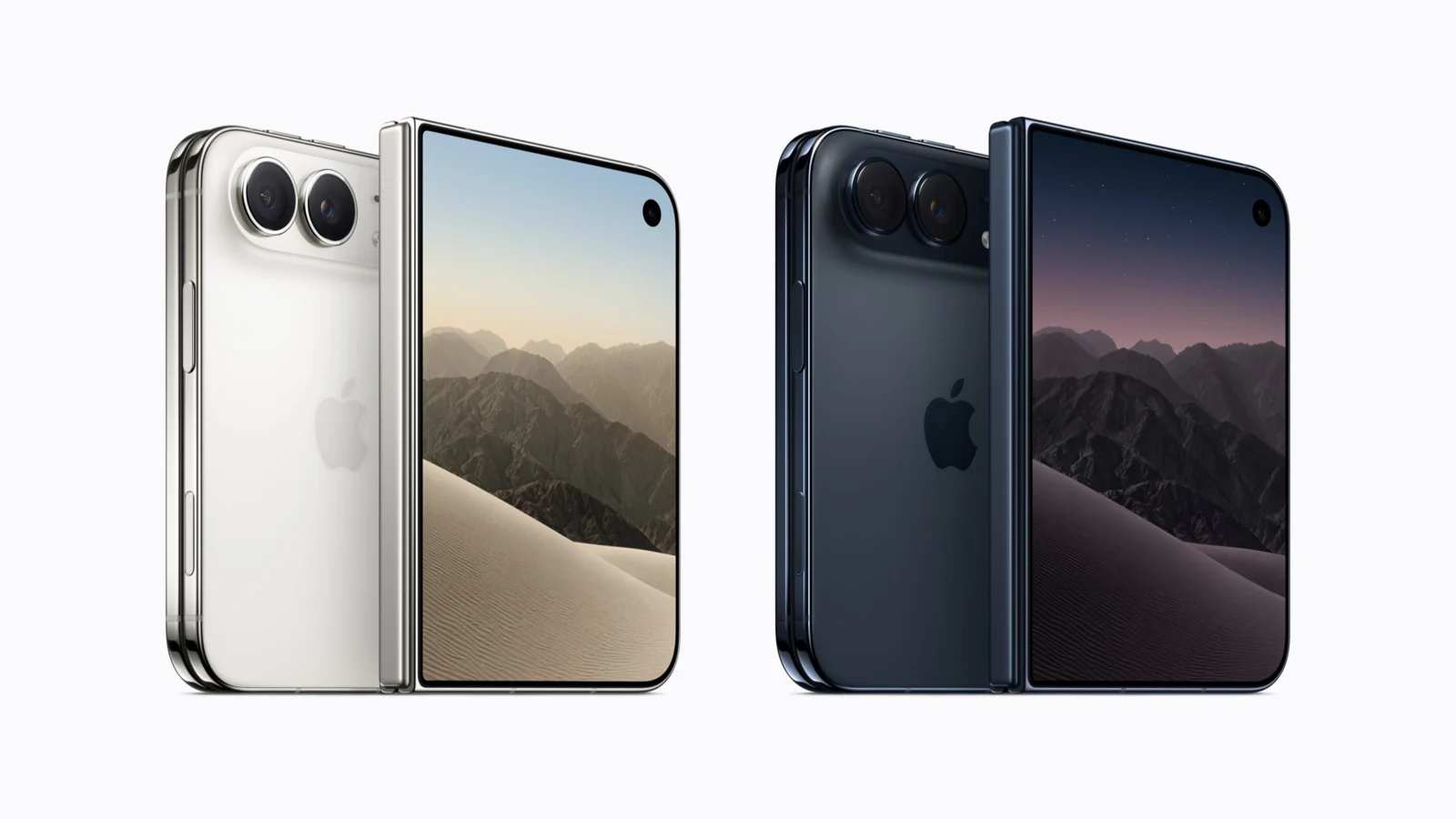
The Duo will ship with iOS 27.1 in Star White and Night Sky, with storage ranging from 256GB to 2TB. There is still time before pre-orders to confirm the version and services you need, before settling on a color. [1]
For an Extra $800, First Identify the Action You’ll Do Less Of
The Duo has a 5.4-inch outer display when closed and a 7.6-inch inner display when opened. Beyond the numbers, what’s more worth looking at this time is Split View. Apple demonstrated having Photos and Mail side-by-side, dragging an image between two apps, and also supports multiple windows of the same app—two Safari windows, for instance—as well as saving frequently used app pairs. [1][2]
If you often cross-reference two web pages, or read material while handling email, this change has a concrete target. What used to require switching back and forth might now place both pieces of content in front of you at once. But that “might” depends on the apps you actually use. You can’t take Apple’s demo of Photos and Mail and casually rewrite it to mean WeChat, your banking app, and every office tool will work just as smoothly.
When you go to try it, I suggest bringing a task you genuinely do. Open the two pages you need to compare, find that piece of information, complete the input, and then close the phone. That short sequence is more useful than repeatedly opening and closing it. What you’re looking for isn’t the second the split-screen succeeds, but whether the text is still readable after the page scales, how much content remains when the keyboard pops up, and whether switching back to the outer screen feels natural.
Also ask yourself where this task usually happens. If a computer or tablet is already on the desk most of the time, the Duo’s benefit might be concentrated in the moments you’re away from that desk. Those moments matter, and you can absolutely spend money for them. Just don’t automatically convert an occasional email handled on the road into a full day’s worth of dual-screen utility. This article won’t invent a number for how many minutes you’ll save per day. No matter how neat that calculation looks, it doesn’t know your schedule.
That $800 is simply the difference between the US starting prices of the two phones. It’s not the price difference for a complete usage setup. Different storage capacities, taxes, accessories, and regional versions need to be considered separately. In particular, don’t compare the lowest-priced configurations while mentally outfitting the Duo with maximum storage and all the accessories. An account calculated that way has already folded once before the phone even reaches your hand.
The Big Screen Only Appears When Unfolded, but the Thickness Is There Every Day
The Duo is 5.2 mm thick when unfolded and 11.3 mm when closed, weighing 254 grams. Apple’s image of that very thin unfolded side profile is real, but the dimensions when it goes into your pocket are also a real set of numbers. Try common operations on the outer screen first, then decide if you’re willing to carry it long-term. Don’t just test the prettiest angle. [2]
This isn’t to say a foldable phone is only about weight. In a hands-on report from September 9, CNET’s Abrar Al-Heeti gave positive remarks on the inner screen’s matte texture, the visibility of the crease, and the opening and closing experience. She also noted that whether the details of screen switching will significantly affect daily use requires more time to judge. [4] I find that distinction very sound. A brief experience can make you want one; long-term use will raise another set of questions. The two don’t need to impersonate each other.
Apple states the inner screen’s nano-texture treatment reduces reflections and the visibility of the crease. This is not a promise of “no crease,” nor can you assume it’s the same process used on Mac glass just because the name is similar. The IP68 rating also has specific laboratory conditions and cannot be used to prove how the hinge will hold up after years of folding. The appeal of a first-generation product and the reason to wait for more evidence can both be true at the same time. [1][2]
There are two other things that will affect a purchase decision, ranking higher than debating the color. The Duo is eSIM-only globally and does not support a physical SIM card. You must check your local carrier’s specific activation conditions for this phone. Support for the USB-C Apple Pencil is scheduled for later this year and cannot be treated as a note-taking capability available at launch. The unlocking method is a side-mounted Touch ID. The FaceTime camera under the inner display is not Face ID. [1][2]
If your main reason for buying it is to “use the phone as a portable notebook,” the Pencil’s timeline is enough to change when you buy. Liking a product doesn’t stop you from removing a feature that isn’t in your hand yet from today’s list of purchase reasons.
More Expensive, but Not Giving You Every Lens
The Duo’s rear camera system is a 48MP main and a 48MP ultra-wide. The 2x zoom is a 12MP “optical-quality” result, not a dedicated telephoto lens. The 18 Pro, by contrast, has a dedicated 4x telephoto lens and a variable aperture on the main camera. [2][3] So this price gap cannot be explained as “spend more, get a comprehensive camera upgrade.”
People who often shoot distant stages or travel details need to look carefully at this trade-off. You can’t judge which photo is clearer based on specs alone, but knowing whether the focal length you need has a dedicated lens is a fact you should have when choosing. Don’t buy it and then realize the feature you use most happens to be the one this more expensive phone didn’t prioritize.
The Duo offers a different kind of value: letting the person being photographed participate in framing. Duo Preview puts the live view on the outer screen. Smart Take can assess the scene and capture a photo automatically. Kid Cue plays an animation to draw a child’s attention to the lens. The phone can also be positioned in different ways, and Duo FaceTime lets someone next to you join the call using the outer screen. [1]
These features don’t guarantee a better photo, but they change how you take one. Instead of constantly saying “move left a bit” or “look here,” letting the other person see the frame first is genuinely worth trying. As for whether a child will follow the animation’s instructions, don’t make that promise on their behalf. A product offers a method; family life retains its own randomness.
My way of deciding is to first look at whether my photo-taking difficulty is about distance, control, or framing communication and positioning. For the first two, focus on the 18 Pro. For the latter two, try the Duo. If neither feels urgent, your current phone remains an option. You don’t have to force a choice between two new phones just to hand over payment.
You Can Buy Novelty, Just Don’t Bank Unverified Gains
The strongest reason to support the Duo might simply be the new form factor itself. Some people enjoy figuring out how to use dual screens, exploring new ways to shoot. That enjoyment is real. There’s no rule that every new device must first earn back its price before it’s allowed to be liked.
But if you convince yourself with “more efficient,” you need to give it a specific task. If you convince yourself with “better battery life,” you need to look at the usage criteria. Apple lists up to 31 hours of video playback on the inner screen, up to 44 hours on the outer screen, and up to 24 hours of typical use. These are not the same test, and you certainly can’t add them together. The claim of roughly 20 minutes to a 50% charge via a wired connection also has conditions involving the adapter, cable, and the phone being in an unfolded testing state. It’s not a result any old charging brick can reproduce. [2]
Don’t bank on Siri AI either. The official plan is to roll it out in stages, starting with an English beta. Other languages have their own timelines. Apple Intelligence supporting Chinese does not automatically translate to Siri AI’s Chinese features being fully ready. Regional support also needs to be confirmed separately. [1]
So here’s how I’d choose. If you can name a frequent dual-app need, and hands-on experience confirms the outer screen, thickness, and app compatibility are acceptable, the Duo deserves a spot on your purchase list. If you’re only drawn in by the demo, wait until you can hold it and complete your own task. If your current phone already works well, keeping it as is doesn’t count as missing out on a generation of technology.
As for those who purely want to try something new, if the budget allows, just say you like it openly. $800 can be spent on enjoyment. There’s no need to write a long explanation dressing yourself up as someone who has finally found the tool for productivity.
Mentioned in this story
These links lead to official or retailer pages. We currently earn no affiliate commission from them. Check the destination for regional availability, configuration and pricing.
iPhone Duo View official specifications ↗